Introduction
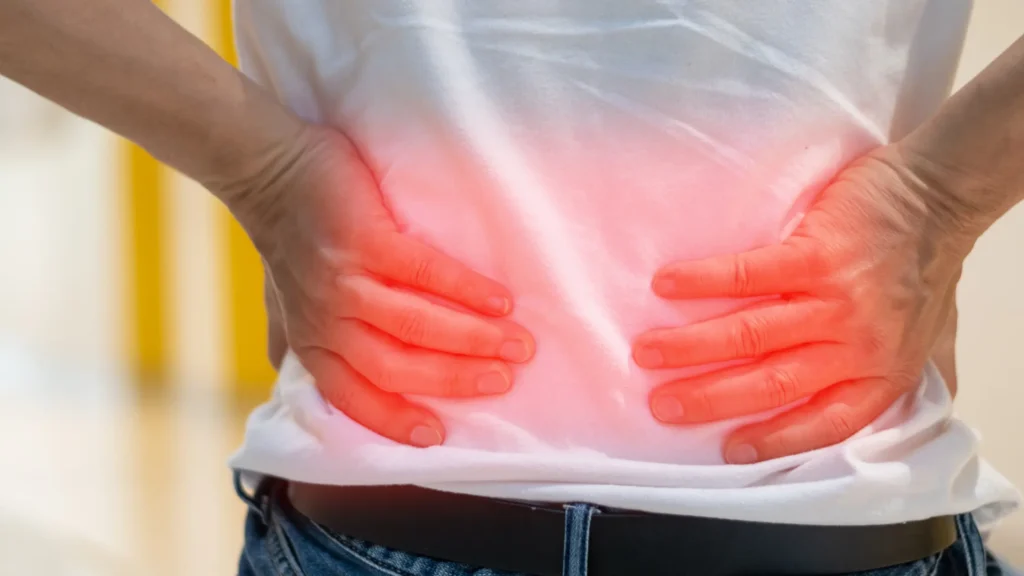
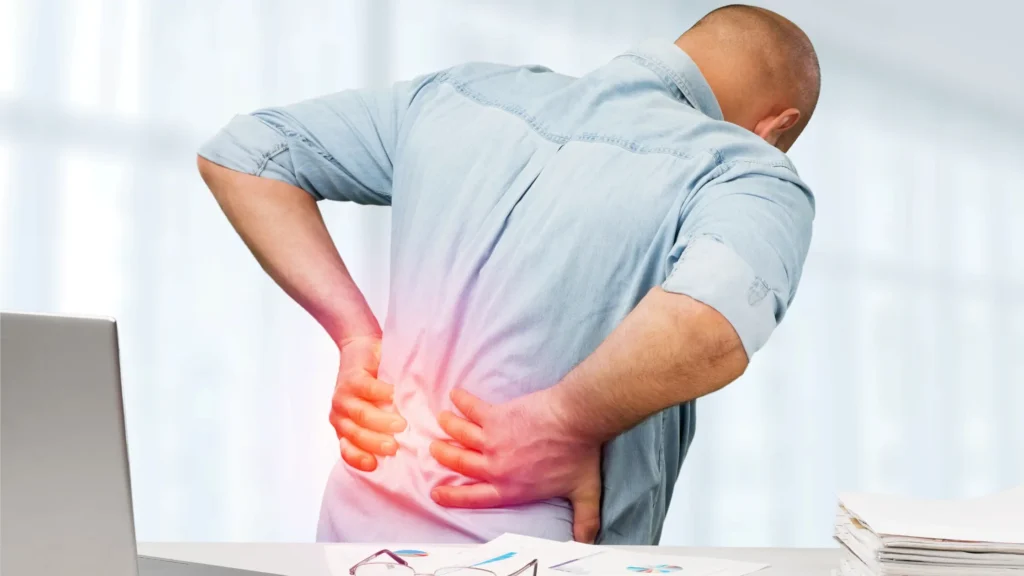
Lower back pain is an all-too-common ailment that affects millions of people worldwide. Whether it’s a dull ache or a sharp, debilitating pain, understanding the root causes and effective relief methods can make a significant difference in your daily life. In this blog, we’ll explore the common causes of lower back pain, its symptoms, and some effective relief techniques.
What Causes Lower Back Pain?
Lower back pain can be caused by various factors, ranging from lifestyle habits to underlying medical conditions. Here are some of the most common causes:
- Muscle Strain: Overexertion, heavy lifting, or sudden movements can strain the muscles and ligaments in your back, leading to pain.
- Disc Problems: Herniated or bulging discs can press on nerves, causing pain and discomfort.
- Arthritis: Osteoarthritis can affect the lower back, causing stiffness and pain.
- Skeletal Irregularities: Conditions like scoliosis, which involves an abnormal curvature of the spine, can cause chronic back pain.
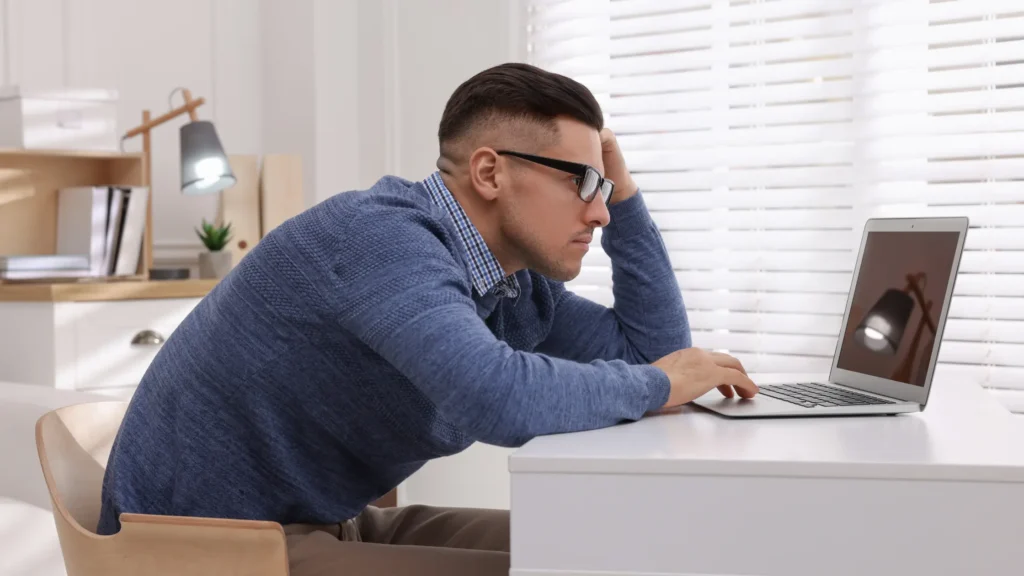
- Poor Posture: Prolonged sitting or standing with poor posture can strain the lower back.
Symptoms of Lower Back Pain
The symptoms of lower back pain can vary widely, but common indicators include:
- Dull, aching pain: This is typically felt in the lower back and may extend to the hips and legs.
- Sharp, shooting pain: This may occur with certain movements or activities.
- Stiffness: Difficulty moving or bending due to stiffness in the lower back.
- Numbness or tingling: This may occur if a nerve is affected.
Effective Relief Techniques

Finding relief from lower back pain often involves a combination of self-care measures and medical treatments. Here are some strategies that can help:
- Physical Therapy: Engaging in physical therapy can strengthen the muscles supporting your spine, improve flexibility, and reduce pain.
- Stretching and Exercises: Regular stretching and low-impact exercises can help maintain flexibility and alleviate pain.
- Heat and Cold Therapy: Applying heat or cold packs to the affected area can reduce inflammation and soothe sore muscles.
- Medication: Over-the-counter pain relievers like ibuprofen or acetaminophen can provide temporary relief.
- Spinal Injections: For severe pain, treatments such as Facet Injections or Epidural Injections can provide significant relief by reducing inflammation and numbing the affected area.
Are you struggling with lower back pain? Don’t let it control your life. Book a consultation with our pain management specialists today to start your journey toward relief.
Conclusion
Lower back pain can be a challenging condition to manage, but with the right knowledge and treatment plan, you can find relief and improve your quality of life. If you’re experiencing persistent lower back pain, it’s essential to consult with a pain management specialist who can tailor a treatment plan to your specific needs. Remember, early intervention and proper care are key to preventing chronic pain and maintaining a healthy back.
Ready to take the next step? Schedule a consultation with us today and discover how we can help you achieve a pain-free life.